

Your Trusted Source for Orthopaedic and Spine Health in Canada
It’s a familiar story for many Canadians: you wake up one morning, swing your legs out of bed, and feel that sharp twinge in your lower back. Maybe it’s from shovelling the driveway after a surprise snowfall, sitting too long at a desk, or simply the wear and tear of daily life. You push through it, hoping it fades, but by mid-afternoon, every movement reminds you that something isn’t quite right. If this sounds like you, you’re far from alone. Back pain is one of the most common reasons Canadians visit a doctor, miss work, or find themselves limiting activities they once enjoyed. At Archus USA, our team is dedicated to cutting through the noise and providing clear, evidence-based information about orthopaedics, spine health, facet joints, back pain, and implants. We believe that understanding your body is the first step toward feeling better, and we’re here to help you make informed decisions about your care within the Canadian healthcare system.
Understanding Orthopaedics: More Than Just Bones
When most people hear the word “orthopaedics,” they immediately think of broken bones and plaster casts. While fractures certainly fall under the orthopaedic umbrella, the field is far broader and more nuanced than many realize. Orthopaedics is a branch of medicine focused on the musculoskeletal system — the complex network of bones, joints, muscles, ligaments, tendons, and nerves that allows us to move, work, and live actively. Orthopaedic specialists in Canada treat everything from arthritis and sports injuries to spinal deformities and complex trauma. According to the Canadian Orthopaedic Association, musculoskeletal conditions affect millions of Canadians each year and represent a leading cause of disability, chronic pain, and reduced quality of life. These aren’t just statistics on a page; they represent real people — parents, grandparents, athletes, and workers — whose daily lives are impacted by conditions that orthopaedic care aims to address.
The Canadian Orthopaedic Association serves as the national voice for orthopaedic surgeons and plays a vital role in advancing research, education, and advocacy. Orthopaedic surgeons in Canada are highly trained medical professionals who complete extensive education, including medical school, residency, and often fellowship training in specialized areas such as sports medicine, joint replacement, or spine surgery. They work in hospitals, private clinics, and academic centres across the country, collaborating with physiotherapists, rheumatologists, and other healthcare providers to deliver comprehensive care. Whether you’re dealing with a nagging knee injury from a weekend hockey game or managing the long-term effects of osteoarthritis, orthopaedic care is designed to help you move better and live more comfortably.
What Does an Orthopaedic Specialist Do?
An orthopaedic specialist — often called an orthopaedic surgeon, though not all orthopaedic specialists perform surgery — is a physician who diagnoses, treats, and manages conditions affecting the musculoskeletal system. Their work begins with a thorough evaluation, including a detailed medical history, physical examination, and often imaging studies such as X-rays, MRI, or CT scans. Based on their findings, they develop a treatment plan that may include non-surgical approaches like medication, physiotherapy, bracing, or injections, or surgical interventions when necessary.
Orthopaedic specialists treat a wide range of conditions, including:
- Osteoarthritis and other forms of joint degeneration
- Sports injuries such as ACL tears, rotator cuff injuries, and tendonitis
- Fractures and trauma to bones and joints
- Spinal conditions including herniated discs and spinal stenosis
- Hand and foot problems like carpal tunnel syndrome and plantar fasciitis
- Paediatric orthopaedic conditions such as scoliosis
In Canada, orthopaedic specialists often work as part of a multidisciplinary team. They may refer patients to physiotherapists, occupational therapists, or pain specialists to ensure a holistic approach to recovery. The goal is always to restore function, reduce pain, and improve quality of life — whether through conservative measures or surgical intervention.
Common Orthopaedic Conditions in Canada
Canadians face a unique set of musculoskeletal challenges influenced by climate, lifestyle, and an aging population. Osteoarthritis is one of the most prevalent conditions, affecting an estimated one in six Canadian adults. This degenerative joint disease causes cartilage to break down over time, leading to pain, stiffness, and reduced mobility, most commonly in the knees, hips, and hands. Sports injuries are also common, particularly among younger Canadians who participate in activities like hockey, soccer, skiing, and running. From concussions to ligament tears, these injuries can sideline even the most active individuals.
Other frequently seen orthopaedic conditions in Canada include:
- Lower back pain and sciatica
- Rotator cuff tears and shoulder impingement
- Meniscus tears and knee instability
- Achilles tendon injuries
- Osteoporosis-related fractures, especially in older adults
The impact of these conditions extends beyond physical discomfort. Chronic musculoskeletal pain can lead to lost productivity, increased healthcare costs, and emotional strain. According to Statistics Canada data, back pain alone affects approximately 6 million Canadians, and it is one of the top reasons for workplace absenteeism. The Canadian Orthopaedic Association has highlighted the growing demand for orthopaedic care, particularly as the population ages and wait times for procedures like hip and knee replacements remain a concern. Understanding these conditions and their treatments is essential for anyone navigating the Canadian healthcare system.
When to See an Orthopaedic Surgeon
Not every ache or pain requires a visit to an orthopaedic specialist. Many minor injuries and episodes of musculoskeletal discomfort resolve on their own with rest, ice, and over-the-counter pain relief. However, there are situations where seeking professional care is not just advisable but essential. If you experience persistent pain that lasts more than a few weeks, swelling or stiffness that limits your movement, or an injury that hasn’t improved with basic self-care, it may be time to consult a healthcare provider.
Signs that you should consider seeing an orthopaedic specialist include:
- Pain that interferes with daily activities or sleep
- Visible deformity or swelling around a joint
- Inability to bear weight on a limb
- Numbness, tingling, or weakness in an arm or leg
- Pain following a fall, accident, or sports injury
- Chronic joint pain that hasn’t responded to conservative treatment
In Canada, the referral process typically begins with your family physician or a walk-in clinic. They can assess your condition and, if needed, refer you to an orthopaedic surgeon. Wait times can vary depending on your province and the urgency of your condition, but advocating for yourself and asking questions about your care is always appropriate. The Canadian Orthopaedic Association encourages patients to be proactive in understanding their options and to discuss non-surgical treatments before considering surgery.
Spine Health: Keeping Your Back in Alignment
Your spine is the central support structure of your body — a remarkable column of bones, discs, and nerves that protects your spinal cord, allows you to bend and twist, and keeps you upright. When your spine is healthy, you probably don’t think about it much. But when something goes wrong, the effects can be felt from your neck to your toes. Spine health is a critical component of overall well-being, and in Canada, spine-related issues are a leading cause of pain, disability, and healthcare visits. The Canadian Spine Society, a national organization dedicated to advancing spine care through research and education, estimates that millions of Canadians experience back pain each year, with many developing chronic conditions that require ongoing management.
Common spinal issues include herniated discs, where the soft cushioning between vertebrae bulges or ruptures and presses on nearby nerves; spinal stenosis, a narrowing of the spinal canal that can cause pain and numbness; and degenerative disc disease, which occurs as discs wear down with age. These conditions can result from injury, poor posture, repetitive strain, or simply the natural aging process. The good news is that many spine problems can be prevented or managed with lifestyle changes, proper ergonomics, and timely medical care.
Anatomy of the Spine: A Quick Primer
To understand spine health, it helps to know a little about how the spine is built. The human spine consists of 33 vertebrae stacked in a gentle S-curve, divided into five regions: cervical (neck), thoracic (mid-back), lumbar (lower back), sacral, and coccygeal. Between each vertebra sits a disc — a gel-like cushion that absorbs shock and allows for flexibility. The spinal cord runs through a canal formed by the vertebrae, and nerve roots branch out at each level to supply sensation and movement to different parts of the body.
Key structures of the spine include:
- Vertebrae: The bony building blocks of the spine
- Intervertebral discs: Shock-absorbing cushions between vertebrae
- Facet joints: Small joints that connect vertebrae and guide movement
- Spinal cord and nerves: The communication network between brain and body
- Ligaments and muscles: Soft tissues that support and stabilize the spine
When any of these structures are injured or degenerate, the result can be pain, stiffness, and reduced mobility. Understanding this anatomy empowers you to take better care of your spine and recognize when something might be wrong.
Preventing Back Pain: Tips for Daily Life
Prevention is always better than treatment, and when it comes to back pain, small daily habits can make a big difference. The Canadian Spine Society emphasizes that most cases of back pain are mechanical in nature — meaning they result from how we move, sit, lift, and live — rather than serious underlying disease. By adopting spine-friendly habits, you can significantly reduce your risk of developing chronic back pain.
Here are some practical tips for protecting your spine:
- Maintain a healthy weight: Excess weight, especially around the abdomen, puts extra strain on your lower back.
- Exercise regularly: Focus on core strengthening, flexibility, and low-impact cardio like walking or swimming.
- Practise good posture: Whether sitting at a desk or standing, keep your spine neutral and avoid slouching.
- Lift properly: Bend your knees, keep the load close to your body, and avoid twisting while lifting.
- Take breaks from sitting: Stand up and stretch every 30 minutes if you have a desk job.
- Invest in a supportive mattress and chair: Your sleep and work environments should support your spine.
- Stay hydrated and eat well: Discs need hydration and proper nutrition to stay healthy.
These habits won’t guarantee a life free of back pain, but they can dramatically lower your risk and improve your overall spinal health.
When to Seek Help for Back Pain
Most episodes of back pain improve within a few weeks with self-care. However, there are red flags that warrant prompt medical attention. If your back pain is accompanied by loss of bladder or bowel control, numbness in the saddle area, severe weakness in your legs, or pain following a significant trauma, seek emergency care immediately. These symptoms could indicate cauda equina syndrome or a spinal fracture, both of which require urgent treatment.
You should also consult a healthcare provider if:
- Pain persists beyond six weeks
- Pain is severe and doesn’t improve with rest or over-the-counter medication
- You experience unexplained weight loss along with back pain
- You have a history of cancer or osteoporosis
- Pain radiates down your leg (sciatica) and is getting worse
In Canada, your family doctor can assess your condition and refer you to a specialist if needed. The Canadian Spine Society provides resources for patients and healthcare providers to ensure that spine care is evidence-based and patient-centred. Remember, seeking help early can prevent a minor issue from becoming a chronic problem.
Facet Joints: Small Joints, Big Impact
When we think about back pain, we often focus on discs, muscles, and nerves. But there’s another set of structures in the spine that plays a crucial role in both movement and pain: the facet joints. These small joints, located at the back of each vertebra, connect adjacent vertebrae and guide the spine’s motion. They allow you to bend, twist, and arch your back — movements you perform countless times a day without a second thought. However, when facet joints become inflamed or degenerate, they can cause significant pain and stiffness. Facet joint syndrome is a common yet often overlooked cause of back pain, and understanding its symptoms and treatment options is essential for anyone dealing with persistent spinal discomfort.
Facet joint pain can be tricky to diagnose because it often mimics other conditions, such as disc herniation or muscle strain. That’s why accurate diagnosis is so important. Healthcare providers may use physical examination, imaging studies, and diagnostic injections to pinpoint the source of pain. Once diagnosed, a range of treatment options — from conservative care to facet joint injections — can help manage symptoms and improve function.
What Are Facet Joints?
Facet joints, also known as zygapophysial joints, are pairs of small joints located at the back of the spine. Each vertebra has two facet joints — one on each side — that connect it to the vertebrae above and below. These joints are surrounded by a capsule and lubricated by synovial fluid, much like the larger joints in your knees or hips. Their primary function is to stabilize the spine and control its range of motion. Without facet joints, your spine would be unstable and unable to move smoothly.
Like other joints in the body, facet joints are susceptible to wear and tear. Over time, the cartilage that lines the joints can deteriorate, leading to osteoarthritis of the spine. This degeneration can cause pain, inflammation, and bone spurs that may press on nerves. Facet joint pain is most common in the lumbar spine (lower back) and cervical spine (neck), as these regions bear the most weight and have the greatest mobility.
Facet Joint Syndrome: Symptoms and Diagnosis
Facet joint syndrome — sometimes called facet arthropathy or facet joint osteoarthritis — occurs when the facet joints become inflamed or degenerate. The symptoms can vary depending on which part of the spine is affected, but common signs include:
- Dull, aching pain in the lower back or neck
- Pain that worsens with extension (bending backward) or twisting
- Stiffness, especially in the morning or after prolonged sitting
- Pain that radiates to the buttocks, thighs, or shoulders (but rarely below the knee)
- Tenderness over the affected joint
Diagnosing facet joint syndrome can be challenging because its symptoms overlap with other spinal conditions. Your doctor will begin with a thorough history and physical examination, checking for pain triggers and range of motion limitations. Imaging tests such as X-rays, MRI, or CT scans can reveal degenerative changes in the facet joints. In some cases, a diagnostic facet joint injection — where a local anaesthetic and steroid are injected into the joint — can confirm the diagnosis by temporarily relieving pain. If the pain goes away after the injection, the facet joint is likely the source.
Treatment Options for Facet Joint Pain
Treatment for facet joint pain typically begins with conservative measures. Physical therapy can help strengthen the muscles that support the spine, improve flexibility, and teach proper body mechanics. Over-the-counter anti-inflammatory medications like ibuprofen or naproxen can reduce pain and inflammation. Lifestyle modifications, such as weight loss and ergonomic adjustments, can also ease stress on the facet joints.
When conservative treatments aren’t enough, more advanced options may be considered:
- Facet joint injections: Corticosteroid injections into the joint can provide temporary pain relief and reduce inflammation.
- Medial branch blocks: Injections that target the nerves supplying the facet joints, used both diagnostically and therapeutically.
- Radiofrequency ablation: A procedure that uses heat to disable the nerves causing pain, offering longer-lasting relief.
- Surgery: In rare cases, spinal fusion or other surgical interventions may be recommended for severe, unrelenting pain.
In Canada, these procedures are typically performed by pain specialists, orthopaedic surgeons, or interventional radiologists. Access may vary by province, and wait times can be a factor. It’s important to discuss all options with your healthcare provider and weigh the risks and benefits of each approach. Accurate diagnosis is the key to effective treatment, so don’t hesitate to ask questions and seek a second opinion if needed.
Back Pain: Causes, Treatments, and When to Worry
Back pain is so common that it’s almost considered a normal part of life. But just because it’s common doesn’t mean it should be ignored or accepted as inevitable. Back pain can range from a mild annoyance to a debilitating condition that affects every aspect of your life. Understanding the causes, treatment options, and warning signs is essential for managing your health and knowing when to seek help. In Canada, back pain is one of the most frequent reasons for visits to primary care providers and emergency departments, and it costs the healthcare system billions of dollars annually. The Canadian healthcare system offers a range of resources for managing back pain, from family physicians and physiotherapists to specialists and pain clinics.
The causes of back pain are diverse. Most cases are mechanical, meaning they result from strain, poor posture, or injury to muscles, ligaments, or discs. Other causes include degenerative conditions like arthritis, structural abnormalities like scoliosis, and, in rare cases, serious conditions such as infections, tumours, or fractures. Identifying the underlying cause is the first step toward effective treatment.
Acute vs. Chronic Back Pain
Back pain is typically classified as acute or chronic based on how long it lasts. Acute back pain comes on suddenly and usually lasts less than six weeks. It’s often the result of a specific injury, such as lifting something heavy, a fall, or a sudden awkward movement. Acute pain tends to resolve on its own with rest, ice, and over-the-counter pain relief, though physiotherapy may help speed recovery and prevent recurrence.
Chronic back pain, on the other hand, persists for more than three months. It may be continuous or intermittent, and it often has a more complex underlying cause, such as degenerative disc disease, facet joint syndrome, or spinal stenosis. Chronic pain can be more challenging to treat and may require a multidisciplinary approach involving medication, physical therapy, injections, and sometimes surgery. According to Statistics Canada data, chronic back pain affects a significant portion of the Canadian population and is a leading cause of long-term disability.
Non-Surgical Treatments for Back Pain
Most cases of back pain — both acute and chronic — can be managed without surgery. Non-surgical treatments are often the first line of defence and can be highly effective when tailored to the individual’s needs. These approaches aim to reduce pain, improve function, and prevent future episodes.
Common non-surgical treatments include:
- Physical therapy: Targeted exercises to strengthen core muscles, improve flexibility, and correct posture.
- Medications: Over-the-counter pain relievers, nonsteroidal anti-inflammatory drugs (NSAIDs), muscle relaxants, and in some cases, prescription pain medications.
- Injections: Corticosteroid injections or nerve blocks to reduce inflammation and pain.
- Chiropractic care: Spinal manipulation and adjustments to improve alignment and reduce pain.
- Acupuncture: An alternative therapy that may help relieve chronic pain for some individuals.
- Lifestyle modifications: Weight management, ergonomic improvements, and stress reduction techniques.
In Canada, many of these services are covered by provincial health plans or private insurance, though coverage varies. Physiotherapy, for example, is often partially covered or available through hospital-based programs. Your family doctor can help coordinate your care and refer you to appropriate specialists.
Surgical Interventions: What to Expect
Surgery is usually considered only when non-surgical treatments have failed and the pain is severe, progressive, or accompanied by neurological deficits. The type of surgery depends on the underlying condition. Common spinal surgeries include:
- Discectomy: Removal of a herniated disc that is pressing on a nerve.
- Laminectomy: Removal of part of the vertebra to relieve pressure on the spinal cord or nerves (often used for spinal stenosis).
- Spinal fusion: Joining two or more vertebrae to stabilize the spine and reduce pain.
- Disc replacement: Replacing a damaged disc with an artificial one.
In Canada, spinal surgery is performed by orthopaedic surgeons or neurosurgeons, often in specialized spine centres. Wait times for elective surgery can be lengthy, and the decision to proceed with surgery is made collaboratively between you and your surgeon. It’s important to understand the risks, benefits, and expected recovery time before committing to any procedure. Second opinions are always an option and can provide peace of mind.
Orthopaedic Implants: Advancements and Considerations
Orthopaedic implants have revolutionized the treatment of joint and spine conditions, offering millions of people the chance to regain mobility and live pain-free. From hip and knee replacements to spinal fusion hardware and artificial discs, implants are medical devices designed to replace or support damaged bones and joints. In Canada, the use of orthopaedic implants is on the rise, driven by an aging population and advancements in surgical techniques and materials. Health Canada regulates medical devices, including orthopaedic implants, to ensure they meet safety and effectiveness standards before they can be used in patients. Understanding what implants are, how they work, and what to expect before and after surgery is essential for anyone considering this option.
Modern implants are engineered to be durable, biocompatible, and functional. They can be made from metals like titanium and cobalt-chromium, ceramics, or high-grade plastics. Some implants are designed to last 20 years or more, though longevity depends on factors like patient age, activity level, and the specific device used. As technology continues to advance, we’re seeing innovations such as 3D-printed implants, custom-fit prosthetics, and minimally invasive surgical techniques that reduce recovery time and improve outcomes.
Types of Orthopaedic Implants
Orthopaedic implants come in many forms, each designed for a specific purpose. Some replace entire joints, while others support or stabilize damaged structures. The most common types include:
- Hip replacements: Replace the ball-and-socket joint of the hip with metal, ceramic, or plastic components.
- Knee replacements: Resurface the ends of the femur, tibia, and patella to restore smooth movement.
- Shoulder replacements: Replace the shoulder joint, often used for severe arthritis or fractures.
- Spinal implants: Include rods, screws, cages, and artificial discs used in fusion or disc replacement surgery.
- Fracture fixation devices: Plates, screws, and pins used to stabilize broken bones.
Each type of implant has its own set of considerations, including material composition, surgical approach, and expected lifespan. Your surgeon will discuss the best options for your specific condition and lifestyle.
What to Know Before Implant Surgery
If you’re considering implant surgery, preparation is key. Before your procedure, you’ll undergo a thorough evaluation to ensure you’re a suitable candidate. This may include blood tests, imaging studies, and a review of your medical history. Your surgeon will explain the risks and benefits, including potential complications such as infection, implant loosening, or nerve damage. It’s also important to discuss your expectations and goals — what do you hope to achieve with surgery?
Practical preparations include:
- Arranging for help at home during recovery
- Quitting smoking, which can impair healing
- Maintaining a healthy weight to reduce stress on the implant
- Strengthening muscles before surgery through prehabilitation
- Understanding your insurance coverage and any out-of-pocket costs
Health Canada’s role in regulating implants means that devices sold in Canada must meet specific safety and performance requirements. However, it’s still important to stay informed and ask your surgeon about the specific implant being used, its track record, and any recalls or warnings.
Life After Implant Surgery: Recovery and Rehabilitation
Recovery after implant surgery varies depending on the type of procedure and your overall health. Most patients spend a few days in the hospital before returning home. Physical therapy is a crucial part of recovery, helping you regain strength, flexibility, and function. You’ll likely need to use assistive devices like crutches or a walker initially, and you’ll have restrictions on certain movements to protect the implant.
Full recovery can take several months, and it’s important to be patient and follow your rehabilitation plan. Most people experience significant pain relief and improved mobility, but it’s essential to have realistic expectations. Implants can restore function, but they don’t make you invincible. High-impact activities like running or contact sports may need to be modified or avoided. Regular follow-up appointments with your surgeon will help monitor your progress and catch any issues early.
Frequently Asked Questions
What is the difference between an orthopaedic surgeon and a neurosurgeon for spine care?
Both orthopaedic surgeons and neurosurgeons can perform spine surgery, but their training and focus differ. Orthopaedic surgeons specialize in the musculoskeletal system, including bones, joints, and muscles, and often treat spinal conditions related to degeneration, deformity, and trauma. Neurosurgeons specialize in the nervous system, including the brain and spinal cord, and are often consulted for conditions involving nerve compression or complex spinal pathology. In Canada, both types of specialists work collaboratively, and your referral will depend on your specific condition and the resources available in your region.
Are facet joint injections covered by Canadian healthcare?
Facet joint injections are generally considered medically necessary procedures and may be covered by provincial health plans when performed in a hospital or approved clinic. However, coverage can vary by province, and some clinics may charge a fee for the injection or associated services. It’s best to check with your provincial health authority or private insurance provider to understand your coverage. Your referring physician can also provide guidance on what to expect.
How common is back pain in Canada?
Back pain is extremely common in Canada. According to Statistics Canada data, approximately 6 million Canadians experience back pain each year, and it is one of the leading causes of disability and workplace absenteeism. The Canadian Spine Society reports that up to 80% of adults will experience back pain at some point in their lives. While most episodes are acute and resolve within weeks, a significant number of people develop chronic pain that requires ongoing management.
What should I ask my doctor before considering orthopaedic implant surgery?
Before committing to implant surgery, it’s important to ask questions such as: What type of implant will be used, and what is its expected lifespan? What are the risks and benefits of surgery compared to non-surgical options? How long will recovery take, and what will rehabilitation involve? Will I be able to return to my normal activities, including work and hobbies? Is the implant approved by Health Canada, and are there any recalls or safety concerns I should know about? Being informed helps you make the best decision for your health.
Can I prevent back pain from getting worse?
Yes, in many cases, you can prevent back pain from worsening by adopting spine-friendly habits. Regular exercise, especially core strengthening and flexibility training, can help support your spine. Maintaining a healthy weight reduces stress on your back. Practising good posture, lifting properly, and taking breaks from prolonged sitting are also important. If you already have back pain, early intervention — such as physiotherapy or seeing your doctor — can prevent it from becoming chronic. The Canadian healthcare system offers many resources to help you manage and prevent back pain.
At Archus USA, our mission is to be your trusted source for clear, evidence-based information on orthopaedics and spine health. We know that navigating the Canadian healthcare system can be overwhelming, especially when you’re in pain or facing surgery. That’s why we’re committed to providing up-to-date, accessible content that empowers you to make informed decisions. Whether you’re researching facet joint injections, considering hip replacement, or simply looking for tips to keep your back healthy, we’re here to help. Always consult with a qualified healthcare professional for personalized advice tailored to your unique situation. Your health is worth it, and you deserve to live life to the fullest — pain-free and active.
Latest articles
- Wait Times for Orthopaedic Surgery in Canada
 Wait Times for Orthopaedic Surgery in Canada: A Clear Look at What to Expect You wake up on a Tuesday morning in
- Understanding Lower Back Pain
 Understanding Lower Back Pain: A Canadian Guide to Orthopaedics and Spine Health It starts as a small twinge while you’re loading groceries
- Spinal Stenosis Basics
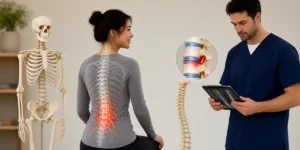 Spinal Stenosis Basics: What Every Canadian Should Know Hearing the words “you have spinal stenosis” can feel like the ground shifting beneath
- Spinal Fusion vs Motion Preservation
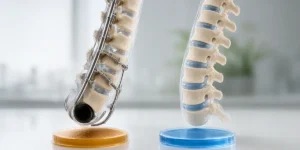 Spinal Fusion vs Motion Preservation: What Canadian Patients Need to Know You’ve tried physiotherapy, anti-inflammatories, and maybe even a facet joint injection
- Reading a Clinical Study
 How to Read a Clinical Study: A Practical Guide for Orthopaedic and Spine Health A patient walks into our clinic with a
- Questions to Ask Your Spine Surgeon
 Questions to Ask Your Spine Surgeon: A Canadian Guide to Orthopaedic Care You’ve been referred to a spine surgeon, and the appointment